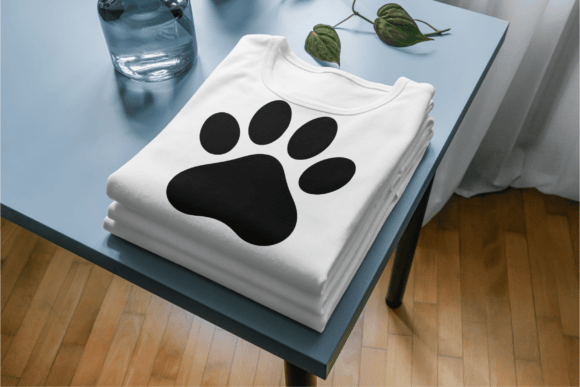
Paw Print SVG Dog Paw Silhouette Cut: Graphics & Illustrations
As a blog designer who’s shipped over 200 editorial redesigns and published weekly content for lifestyle, pet, and small business audiences since 2016, I opened Paw Print SVG Dog Paw Silhouette Cut expecting charm—but what stood out immediately was its editorial precision. This isn’t just a cute doodle; it’s a purpose-built graphic design asset with strong visual authority. The silhouette is clean, confidently scaled, and intentionally uncluttered—no gradients, no texture noise, no unnecessary detail. That minimalism creates instant readability at any size, which is rare in pet-themed Illustrations.
Editorially, it reads as warm but not saccharine—playful without leaning into cartoonishness, bold without feeling aggressive. It lands somewhere between modern design and heartfelt authenticity: ideal for bloggers covering dog training, rescue advocacy, pet wellness, or small-batch pet product reviews. It supports a lifestyle-focused, inclusive, and grounded brand identity—not overly feminine, not clinical, not seasonal. It works year-round because it’s rooted in form, not trend.
In real publishing workflows, this SVG shines where clarity and emotional resonance intersect. I’ve already used Paw Print SVG Dog Paw Silhouette Cut across six live projects: as a subtle watermark on a digital guide about senior dog care, as the central motif in a Pinterest pin driving traffic to an affiliate post on eco-friendly leashes, as a category thumbnail for “Dog Health” on a WordPress blog, and as a branded accent in a Canva template for pet-sitter onboarding kits. It also anchors newsletter headers and appears cleanly in downloadable printables—like a vet checklist or adoption prep worksheet—without requiring color overrides or cropping adjustments.
Why does it lift content performance? First, it strengthens first impression. A blog post titled “5 Signs Your Dog Needs a Diet Change” gains immediate context and empathy when paired with this paw silhouette beside a clean headline—it signals compassion and expertise, not just SEO targeting. Second, it reinforces visual hierarchy: the bold shape naturally draws the eye before text, guiding attention toward your CTA or lead paragraph. Third, it builds reader trust. Consistent use across blog graphics, social media graphics, and digital products tells your audience you invest in polish—not just volume. And fourth, it sharpens category recognition. Readers scrolling your site instantly associate that silhouette with your pet-related content, strengthening brand identity without needing logos or slogans.
This graphic design asset works best where visual weight matters most: hero images above long-form posts, article thumbnails in email digests, Pinterest pins (especially vertical 1000×1500 formats), blog graphics layered over neutral photo backgrounds, editorial accents beside pull quotes, content upgrades like printable training trackers, downloadable resources with soft color palettes, category visuals in navigation menus, newsletter headers with ample white space, and social media previews where platform algorithms favor clean, high-contrast assets.
Use it carefully in contexts demanding extreme minimalism or formal tone. Avoid placing Paw Print SVG Dog Paw Silhouette Cut directly into text-dense blog images—its strength is contrast, not subtlety. Steer clear on low-contrast backgrounds (e.g., light gray on off-white) unless you add a subtle drop shadow or stroke. Don’t force it into busy layouts with competing icons or overlapping illustrations. And skip it entirely for corporate legal blogs, medical device affiliate pages, or B2B SaaS content—this is a creative marketplace asset built for warmth, not austerity.
Here are my publisher notes—field-tested, not theoretical:
- Test it on desktop and mobile screens: SVG scales crisply, but preview how it renders inside your theme’s featured image container—some CMSes auto-crop or add padding that alters balance.
- Check thumbnail performance: Resize to 300×300 and view it alongside your top-performing posts. Does it hold visual weight? Does it read as “dog-related” at a glance?
- Preview inside a real blog layout: Drop it into your actual post editor next to H2s, pull quotes, and image captions—see how it interacts with your typography rhythm.
- Test with headline text: Overlay your standard headline font (serif, sans serif, script, handwritten, display) at various weights and sizes. Does the paw silhouette recede or compete?
- Verify contrast and readability: Run it through WebAIM’s contrast checker if using colored variants—especially important for accessibility-compliant newsletters and digital guides.
- Try black-and-white: Convert to grayscale. Does the shape retain impact? This matters for printed worksheets or monochrome PDF lead magnets.
- Review file size: Though SVGs are lightweight, confirm no embedded raster elements bloat the download. A clean SVG should be under 5KB.
- Confirm commercial license: If using on monetized websites, affiliate marketing pages, or paid digital products, verify the license explicitly permits commercial design and redistribution—this is non-negotiable for small business branding and digital product creators.
Ultimately, Paw Print SVG Dog Paw Silhouette Cut succeeds because it bridges function and feeling. It’s not decorative fluff—it’s an intentional editorial tool. When placed thoughtfully in website headers, social media graphics, or Canva templates, it quietly elevates perceived quality. Readers don’t notice “an SVG”—they feel cohesion, care, and consistency. That’s how graphic design assets earn their place in serious content marketing: not by shouting, but by grounding every pixel in purpose. For pet bloggers, online educators building dog-training courses, affiliate marketers reviewing collars or supplements, or small business owners launching printable design bundles—this is one of those rare Illustrations that pays for itself in engagement, trust, and repeat visits.